Mount Kailash: The Sacred Axis of the World
Chinese:冈仁波齐峰 gāng rén bō qí fēng
--------------------------------------------------------------------------------------------------------
ALTITUDE
6,638m (21,778 ft)
LOCATION
Western Tibet, near India/Nepal, 1,300 km (800 mi) by road from Lhasa.
--------------------------------------------------------------------------------------------------------
TYPE
World’s famous religious site
BEST SEASON TO VISIT
Summer / Autumn
--------------------------------------------------------------------------------------------------------
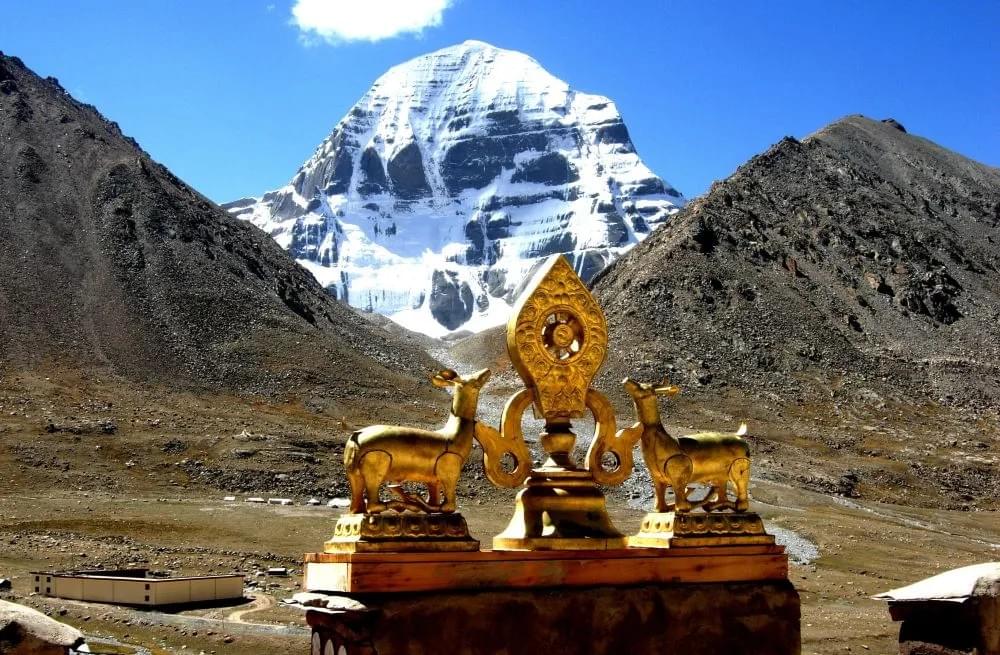
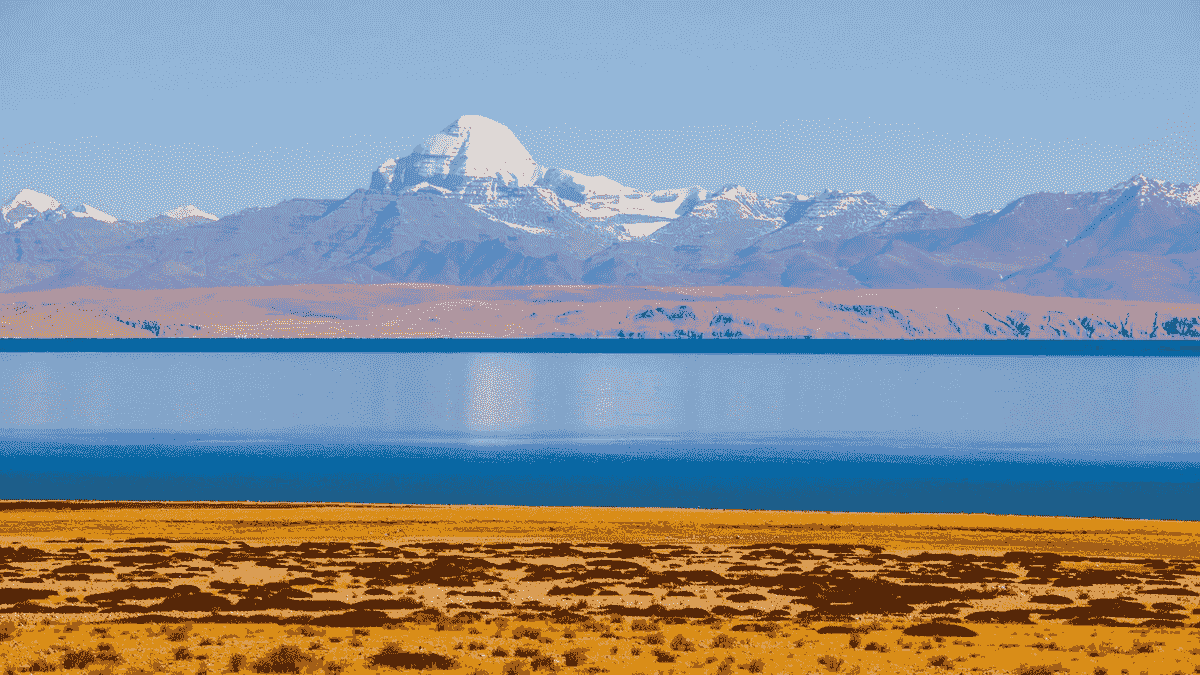
Mount Kailash (冈仁波齐峰), at 6,638 m, is a sacred peak in Tibet’s Kailash Range. Near the sources of major rivers and lakes, it is revered as the axis mundi and known in Tibetan as Gangs Rinpoche (གངས་རིན་པོ་ཆེ), meaning "Precious Snow Mountain."
Guidetibet's Mount Kailash Tour
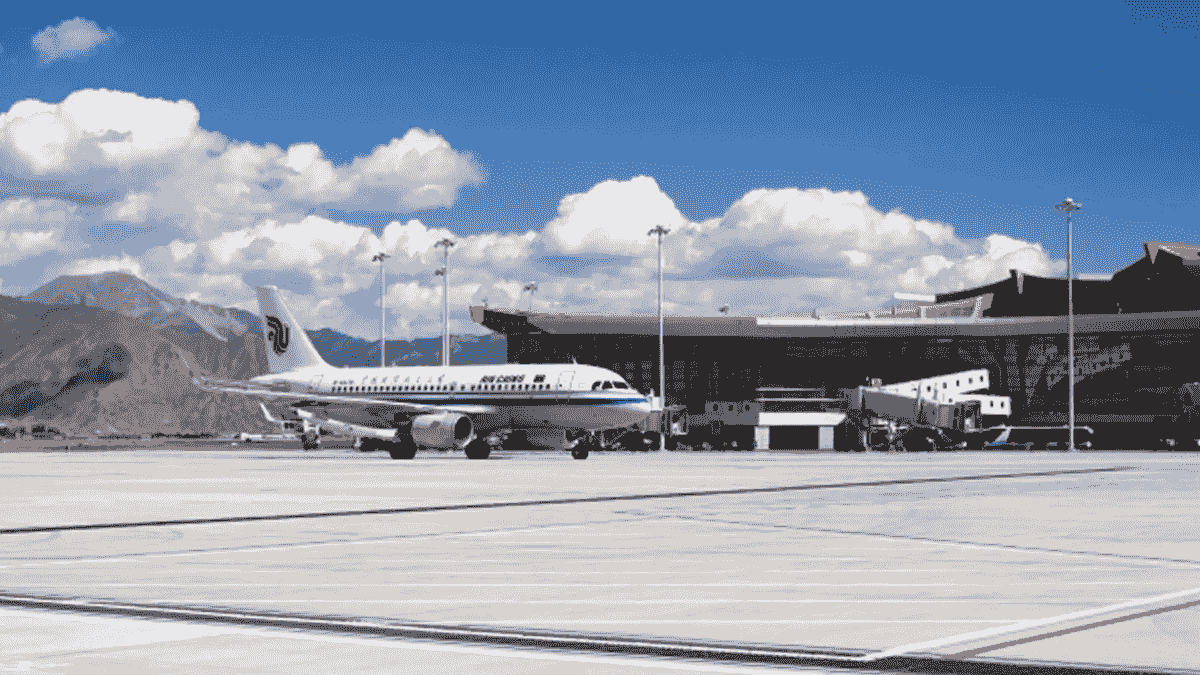
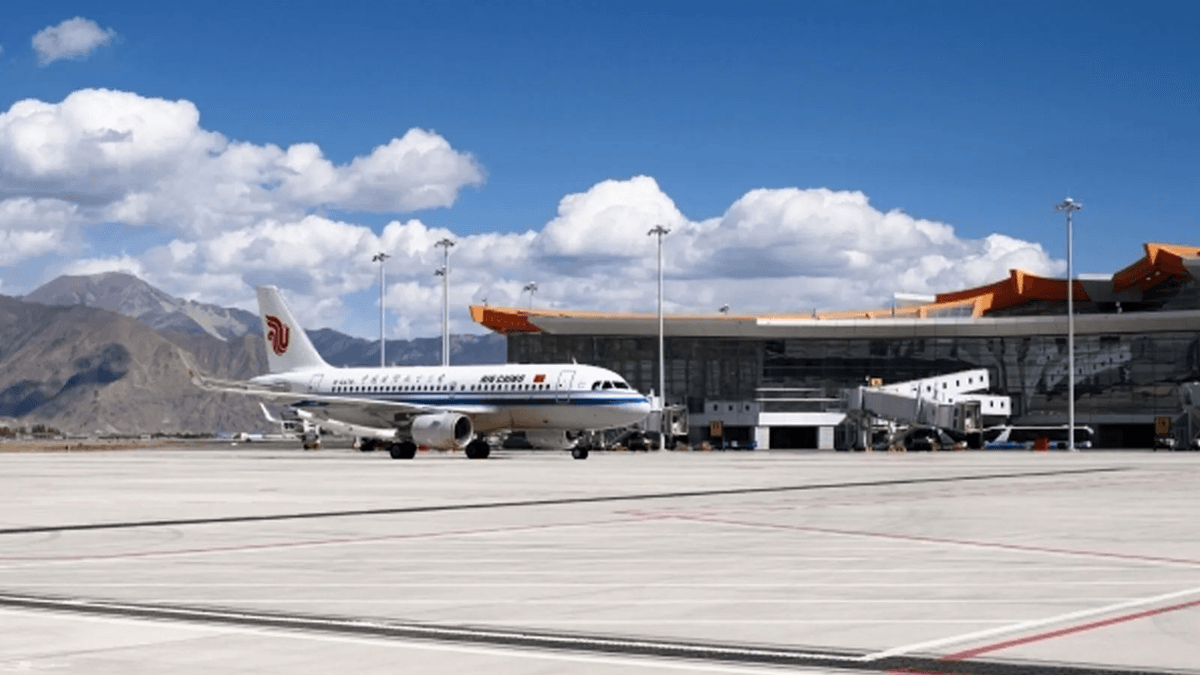
Day 1: Pick up from Lhasa Airport or Train Stations (3658m)
Upon arrival at the airport or train station, our Tibetan guide and driver will greet you with a Kada (ceremonial white scarf) as a warm welcome. Enjoy a scenic drive to Lhasa—40–50 minutes from the airport, 20 minutes from the train station—passing the Yarlung Tsangpo River, Lhasa River, Tibetan villages, and barley farms.
After hotel check-in, meet your fellow travelers and discuss the tour schedule. Your guide will recommend local, Chinese, and continental restaurants for dinner. Take it easy, stay hydrated, and rest to adjust to the altitude.
Overnight in Lhasa.
Day 2: Sightseeing in Lhasa
Attraction: Drepung Monastery , Sera Monastery. Guide will arrange your Lunch with local taste in monastery restaurant;
Lhasa Monastery Tour: Drepung & Sera Monasteries
After breakfast, visit Drepung Monastery, once the world’s largest monastery, offering deep insight into Tibetan Buddhism. Explore its historic halls, including the Ganden Podang Chapel and Jampa Thongdrol Hall with its revered Maitreya statue.
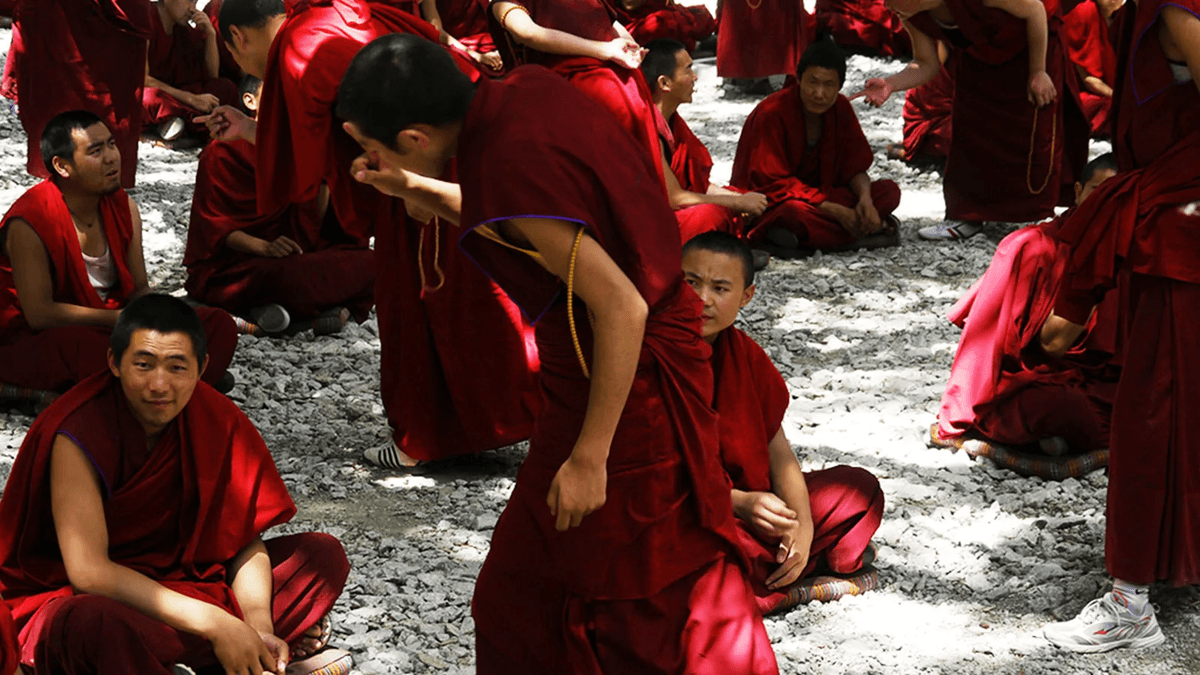
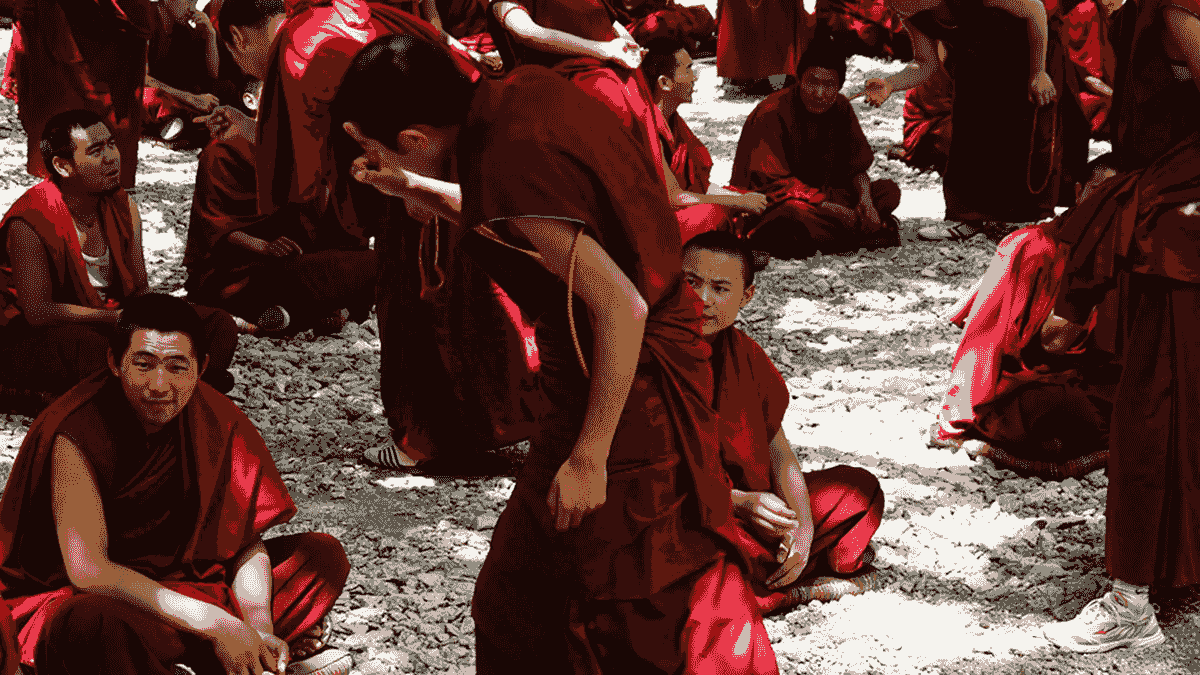
Lunch at the monastery restaurant, then head to Sera Monastery, famous for its monk debates (3–5 PM, Mon–Fri). Witness this unique philosophical exchange, a key part of Tibetan Buddhist learning.
Overnight in Lhasa | Breakfast, Lunch, Dinner included
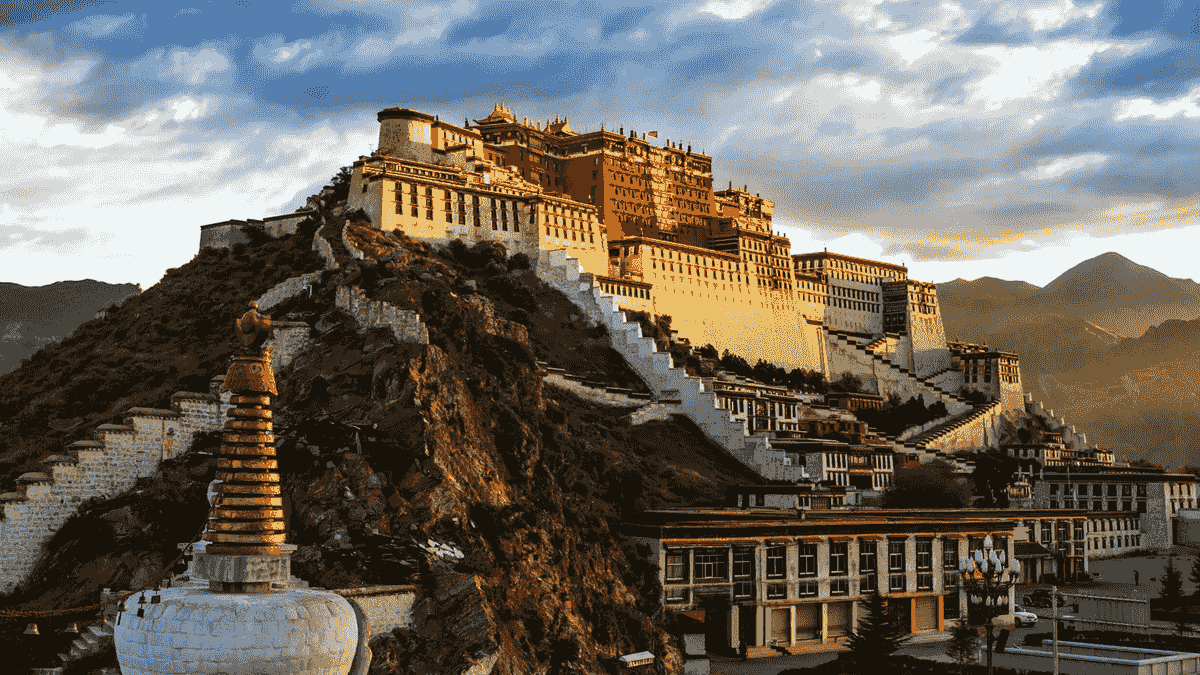
Day 3: Sightseeing in Lhasa
Attraction; Potala Palace, Jokhang temple and Bakhor Street;
Lhasa Highlights: Potala Palace, Jokhang Temple & Barkhor Street
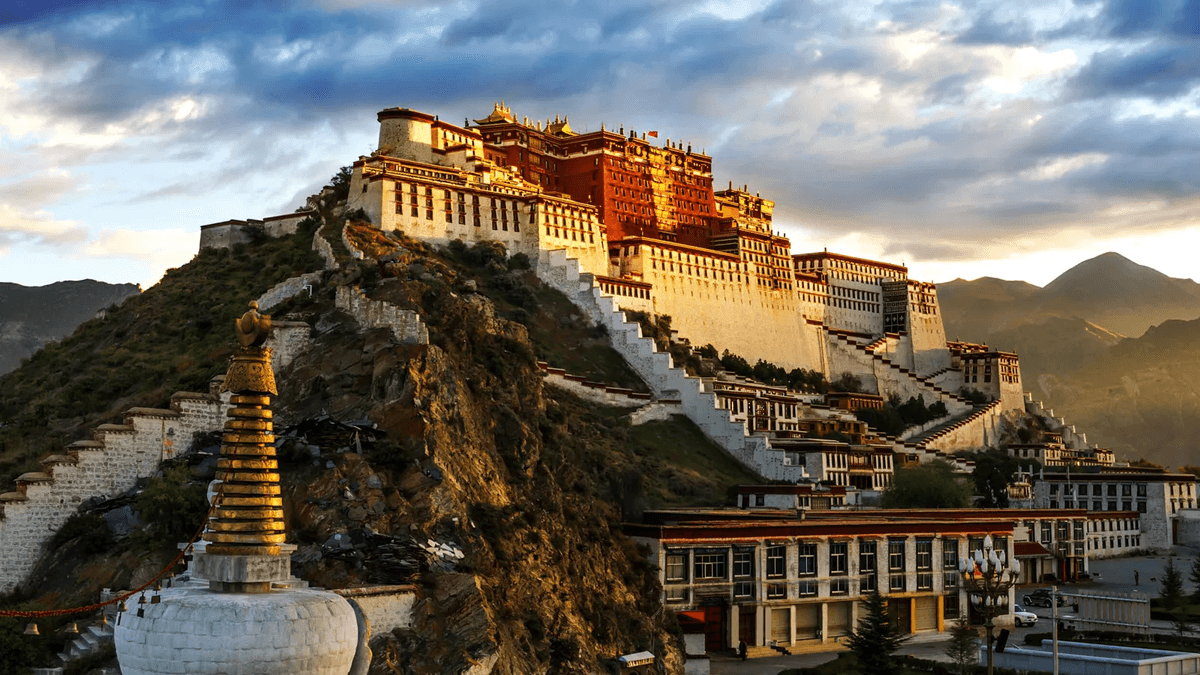
Morning visit to Potala Palace, Tibet’s political, religious, and cultural center, and former winter palace of the Dalai Lamas.
Afternoon:
- Jokhang Temple, Tibet’s spiritual heart and major pilgrimage site.
- Barkhor Street, for local cuisine and traditional handicrafts.
Evening: Enjoy the night view of Potala Palace.
Overnight in Lhasa | Breakfast included
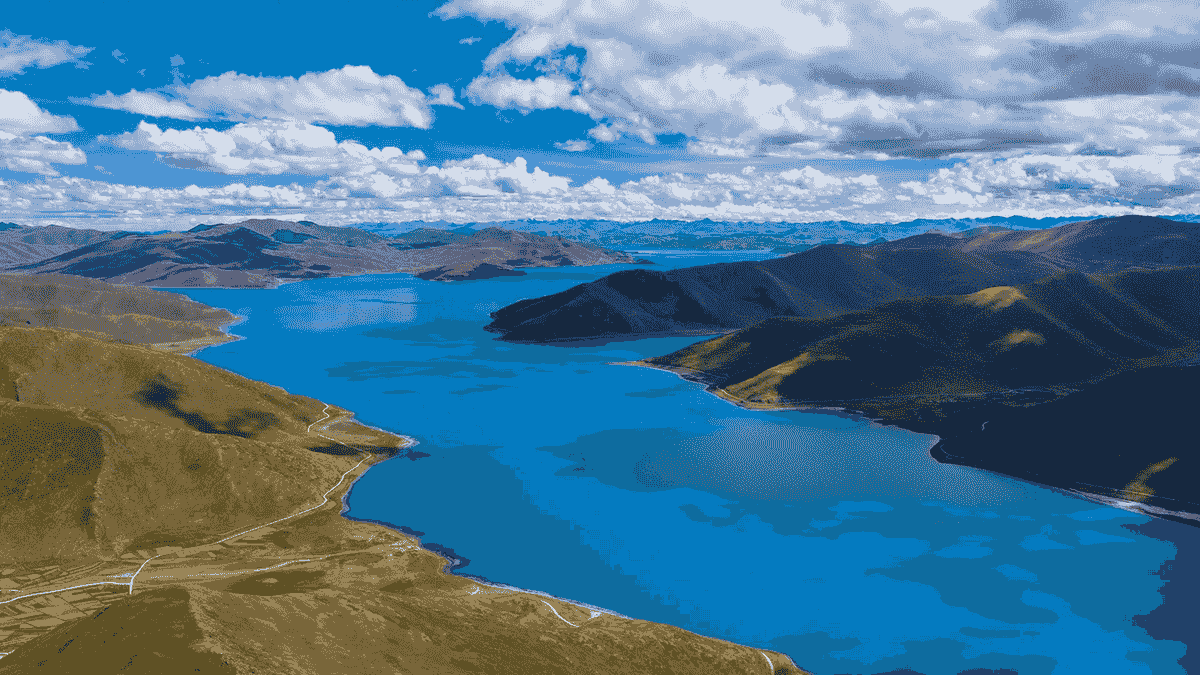
Day 4: Lhasa - Gyangtse - Shigatse(3900m); 360Km 6 hours to drive
Attraction; Khampala Pass (4998m) - Yamdrok Lake - Karola (5190m) Holy Mt. Nyechen Khansang Glacier (7191m)
Journey from Lhasa to Everest Base Camp
Today, we depart Lhasa for Everest Base Camp, traveling via Yamdrok Lake, Gyantse, and Shigatse. Along the way, we'll experience breathtaking landscapes and rich Tibetan culture.
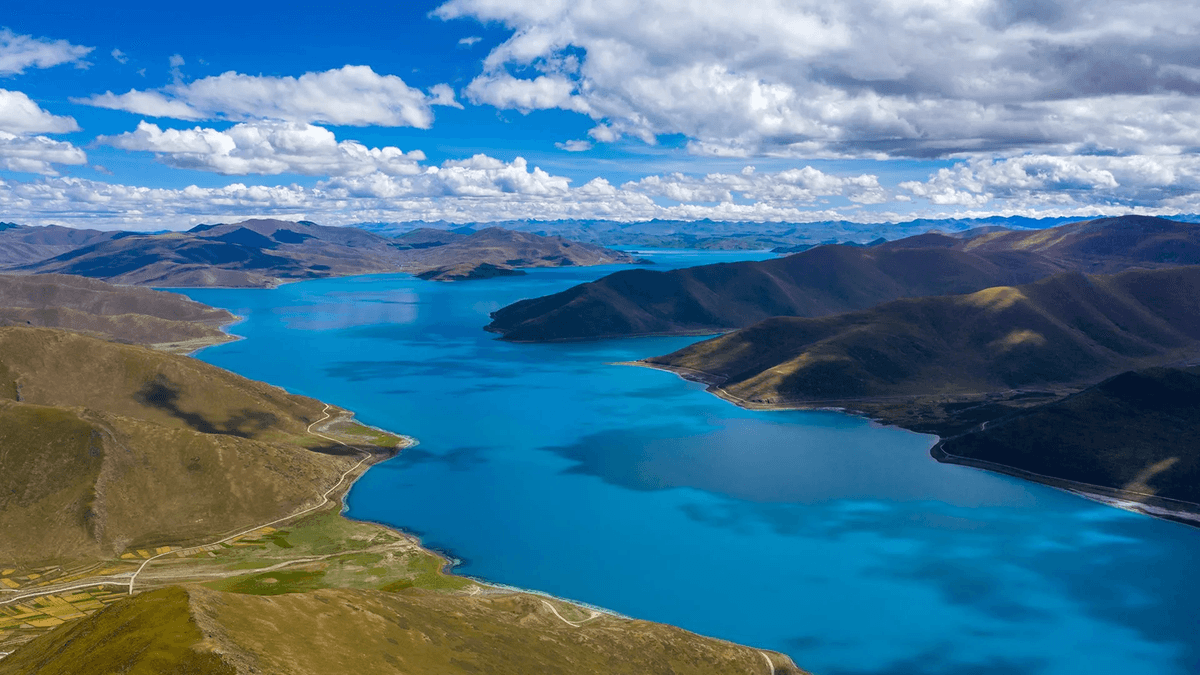
- Yamdrok Lake: One of Tibet’s three sacred lakes, offering stunning panoramic views from Khampala Pass. Known for its deep turquoise waters, it holds spiritual significance for locals.
- Gyantse: An ancient town with unique Tibetan architecture, monasteries, and historical landmarks.
- Shigatse: The highland barley seed storage hub of Tibet, rich in cultural heritage.
The drive passes glaciers, high passes, monasteries, stupas, canola fields, and traditional villages before we reach Shigatse for the night.
Overnight at a local hotel in Shigatse
Breakfast included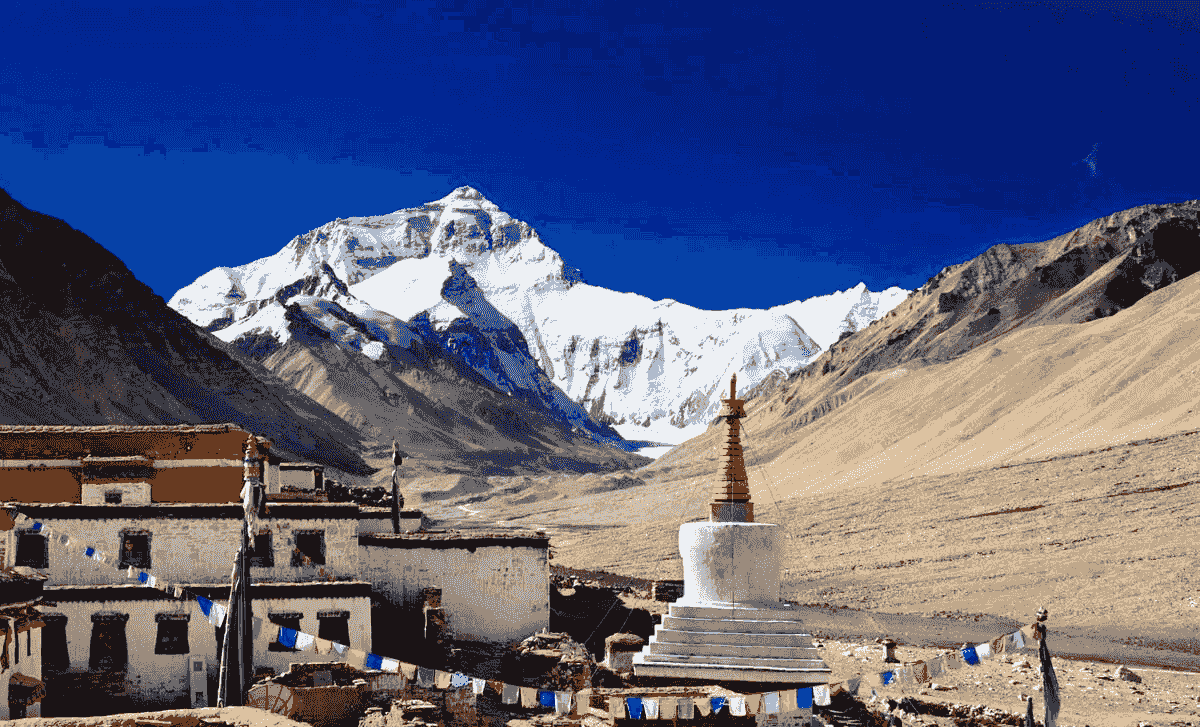
Day 5: Shigatse - Lhatse (4010m) - Shegar(4300m) - Gyawula Pass(5210m) - Mt. Everest Base Camp (5200m) 345Km which takes 6-7hours to drive
Attraction: Tashi Lhunpo mastery and world highest Rongpuk monastery
Journey to Everest Scenic Area
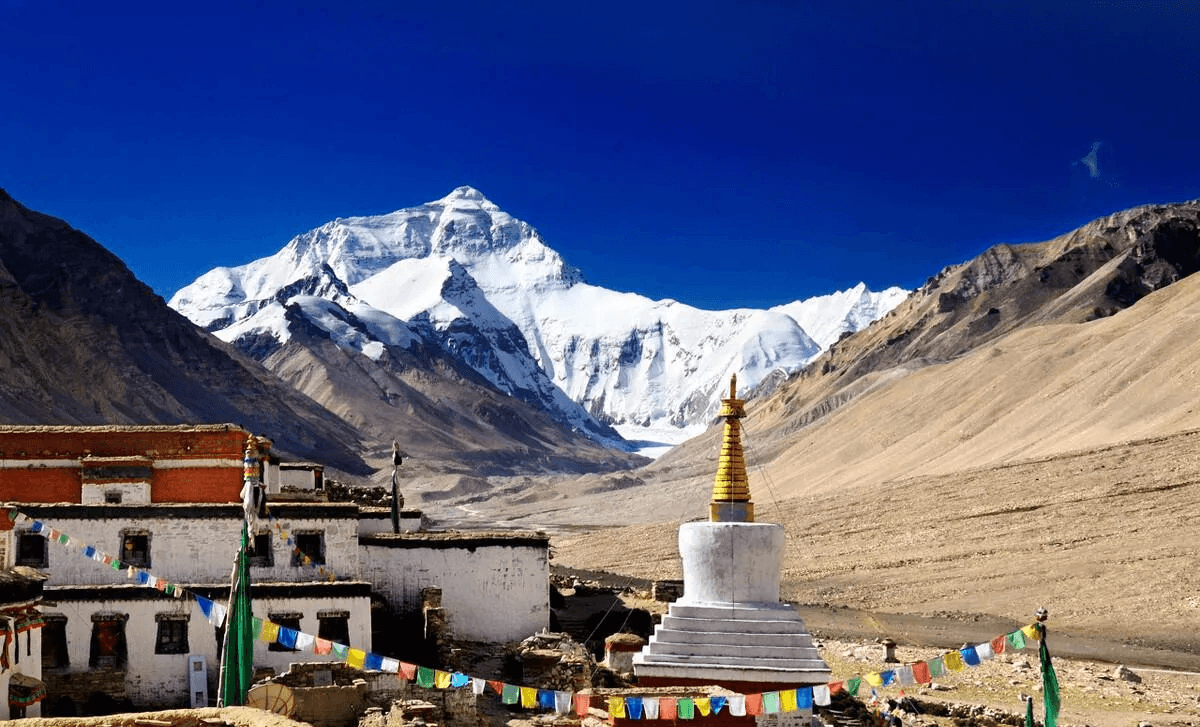
From Shigatse, it’s a 6-hour drive to the Everest Scenic Area, crossing high mountain passes like Tsola (4,500m) and Gyatso La (5,248m). The winding roads require slow driving with frequent honking.
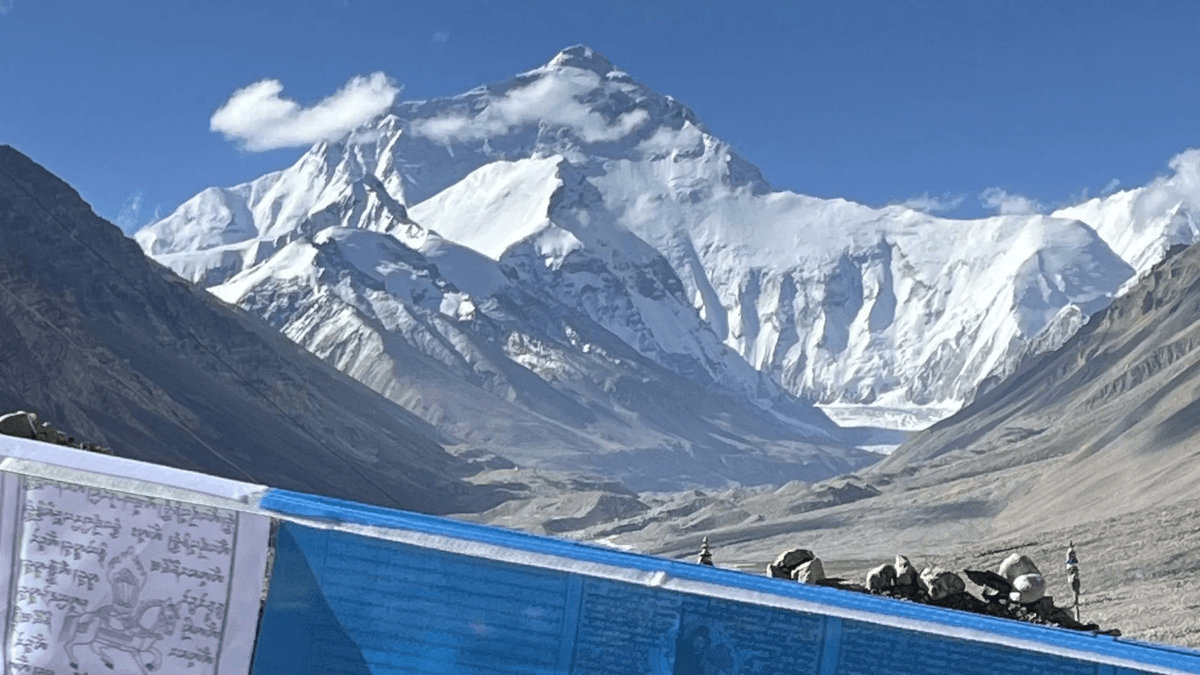
Upon arrival, tickets must be purchased for vehicle entry. After an hour’s drive through the park, we switch to an eco-bus to reach the base camp campsite. En route, we pass Gawula Pass, offering a breathtaking view of five Himalayan peaks over 8,000m:
- Mount Makalu (8,463m)
- Mount Cho Oyu (8,201m)
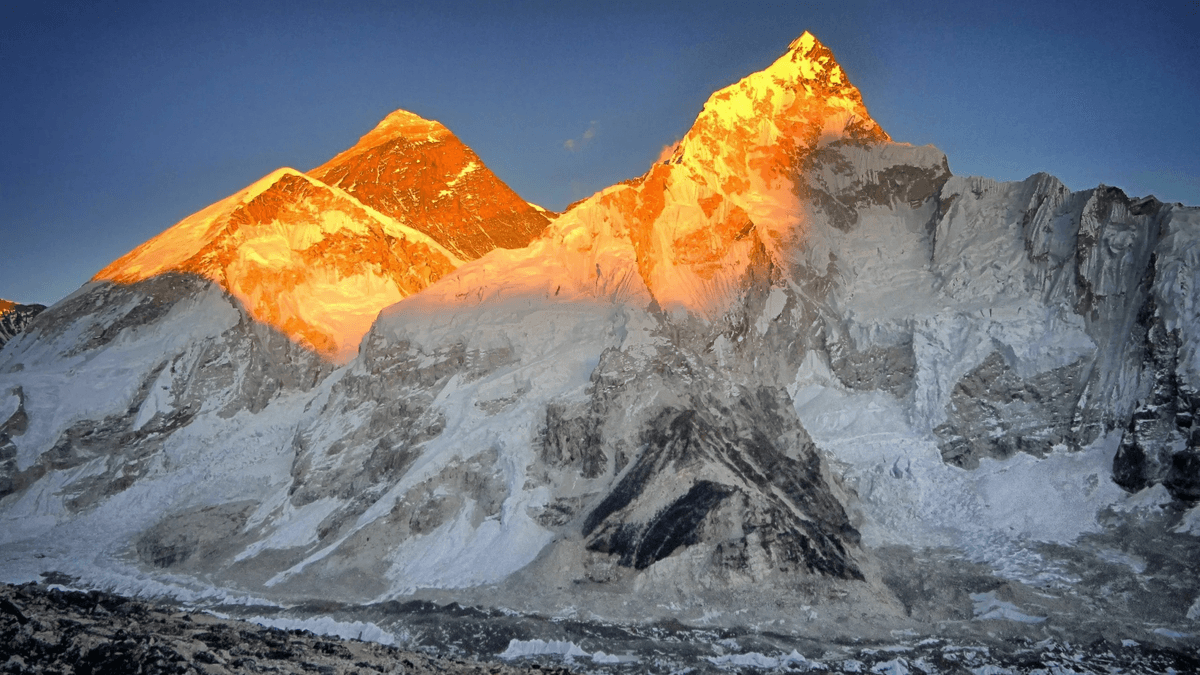
- Mount Qomolangma (Everest) (8,848.86m)
- Mount Lhotse (8,516m)
- Mount Shishapangma (8,012m)
At the camp, we check into a local Yak hair tent guesthouse (unavailable from late Nov to early April). You can explore the base camp, visit Rongbuk Monastery—the world’s highest monastery where both monks and nuns study—and, if lucky, capture the Golden North Face of Everest at sunset.
Important: Alien’s Travel Permit (ATP) is required for border checkpoints and must be obtained in Gyangtse or Shigatse before departure.
Overnight at Yak Hair Tent Guesthouse.
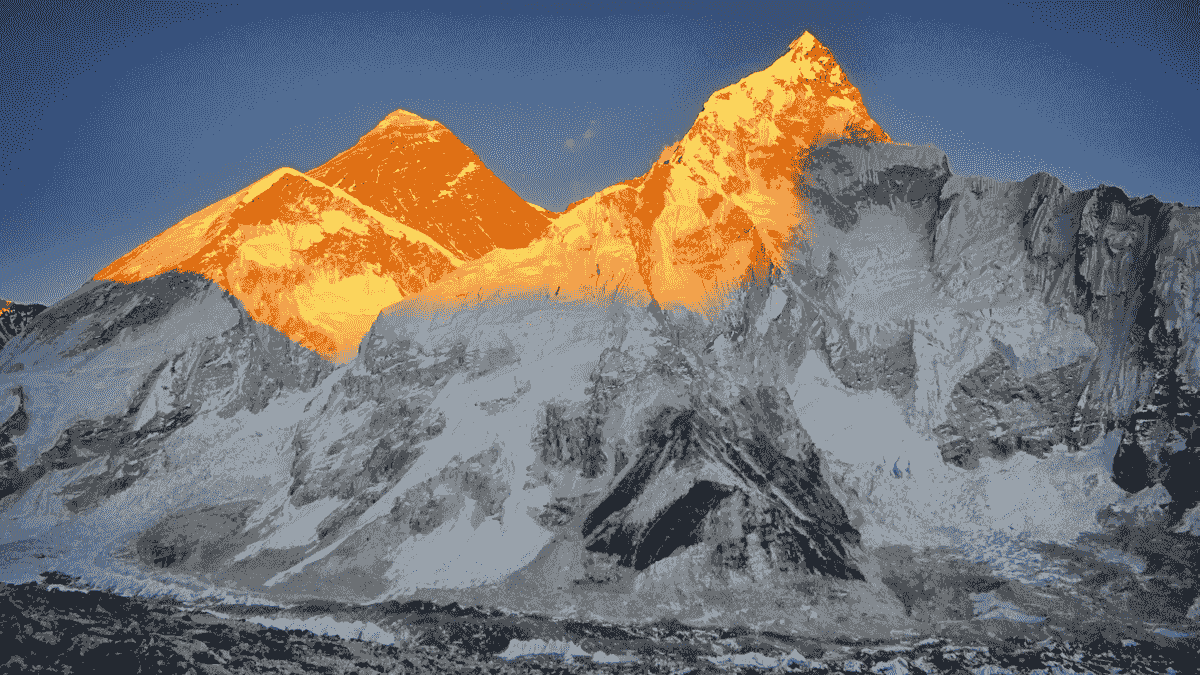
Day 6: EBC - Saga(4513m) 410 Km 5-6 hours to drive
Attractions: Everest Sunrise, Mt. Shishapangma, Peikutso Lake
Rise early to witness the breathtaking sunrise over Everest Peak at Advanced Base Camp (weather permitting). Then, journey toward Mt. Kailash, passing through stunning landscapes.
- Peikutso Lake (4,590m): A mesmerizing turquoise lake offering spectacular views of the snow-capped Mt. Shishapangma (8,012m).
Overnight in Saga Hotel
Breakfast included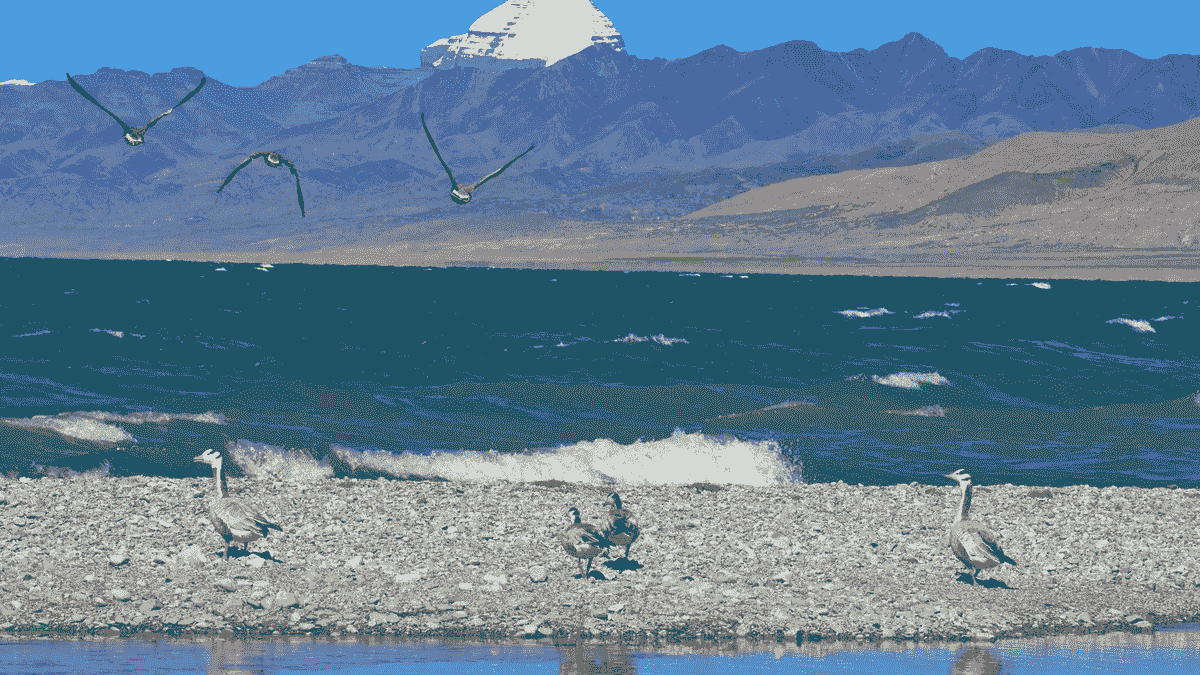
Day 7: Saga - Darchen (4600m) 495Km 6-7 hours to Drive
Moon Bay Desert, Manasarovar Lake & Holy Mt. Kailash
- Moon Bay Desert: A striking desert landscape near the head of the Brahmaputra River.
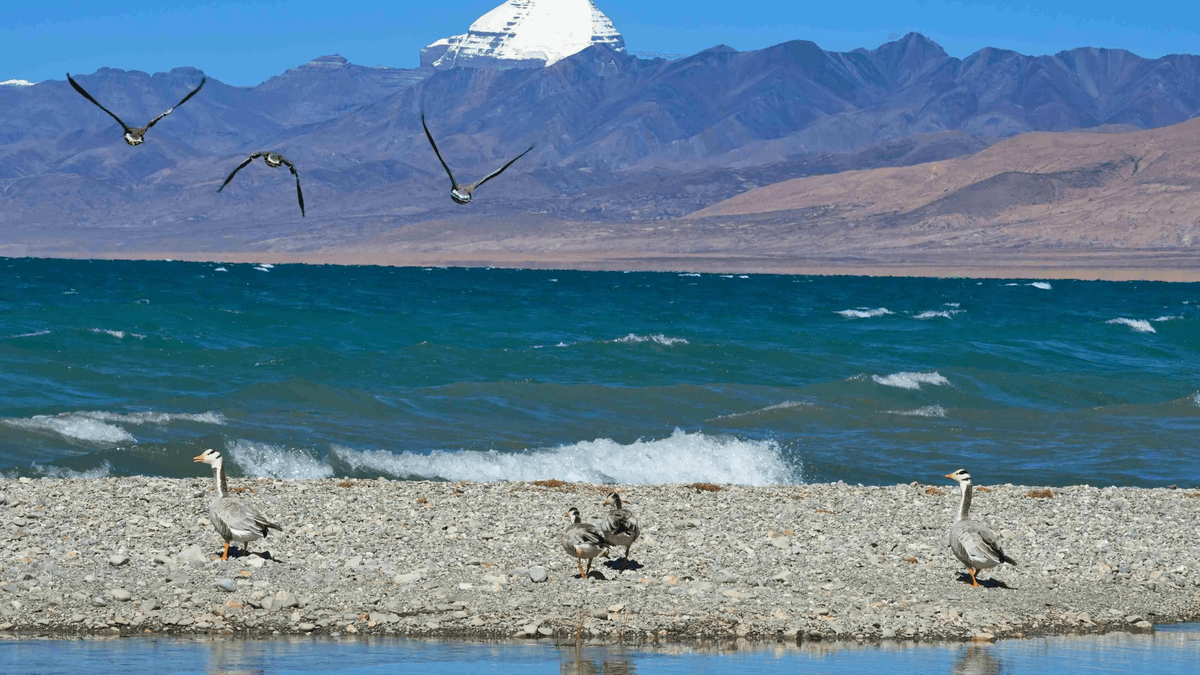
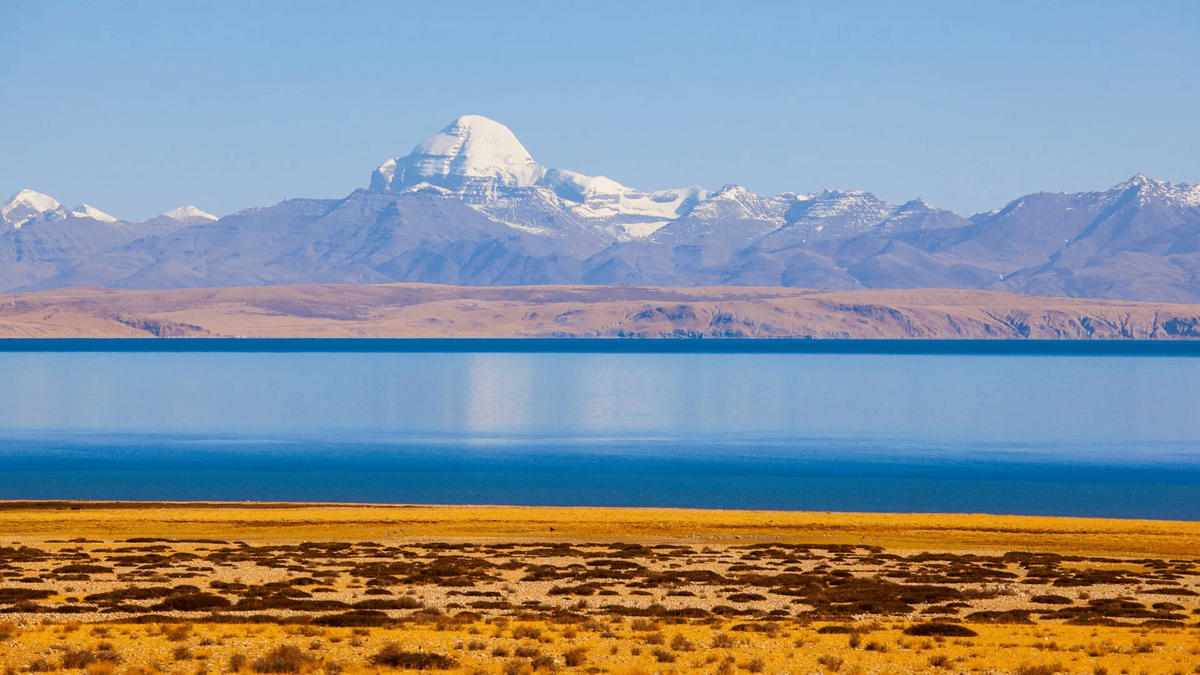
- Manasarovar Lake: One of Tibet’s three sacred lakes, located 35 km east of Purang. It is the second-largest freshwater lake in China and the source of four major Asian rivers, revered as the "center of the world" in Buddhist tradition.
- Lanngartso (Ghost Lake): Separated from Manasarovar by a road, it offers a contrasting natural beauty.
- Mt. Kailash: A sacred peak near Darchen, revered in Tibetan Buddhism and Hinduism.
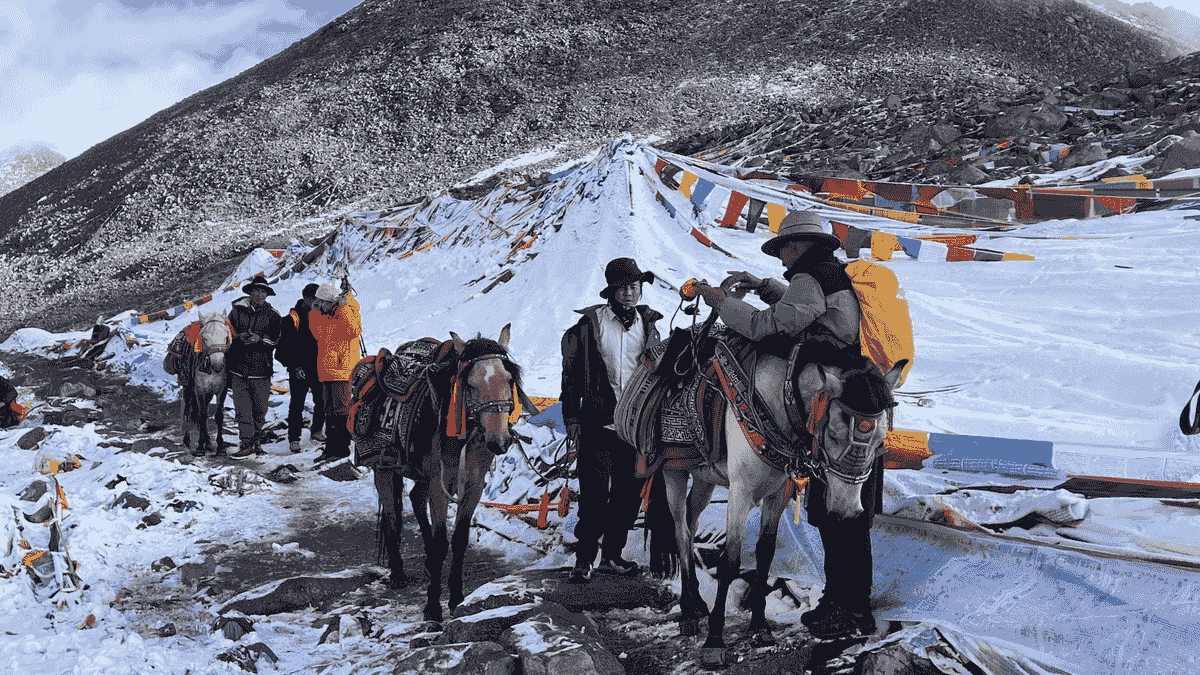
Day 8: Trekking From Darchen - Dirapuk monastery (5050m)25.5Km
West Face of Mt. Kailash – Sunset View of the Golden Mt. Kailash
Darchen serves as the main base for the Mt. Kailash kora (pilgrimage circuit). The journey begins with a 7-km stretch to Sershong, accessible by foot or eco-bus (60 CNY). Sershong hosts the Darchen ceremony during the Saga Dawa Festival’s 15th Full Moon Day.
Day 1 Highlights:
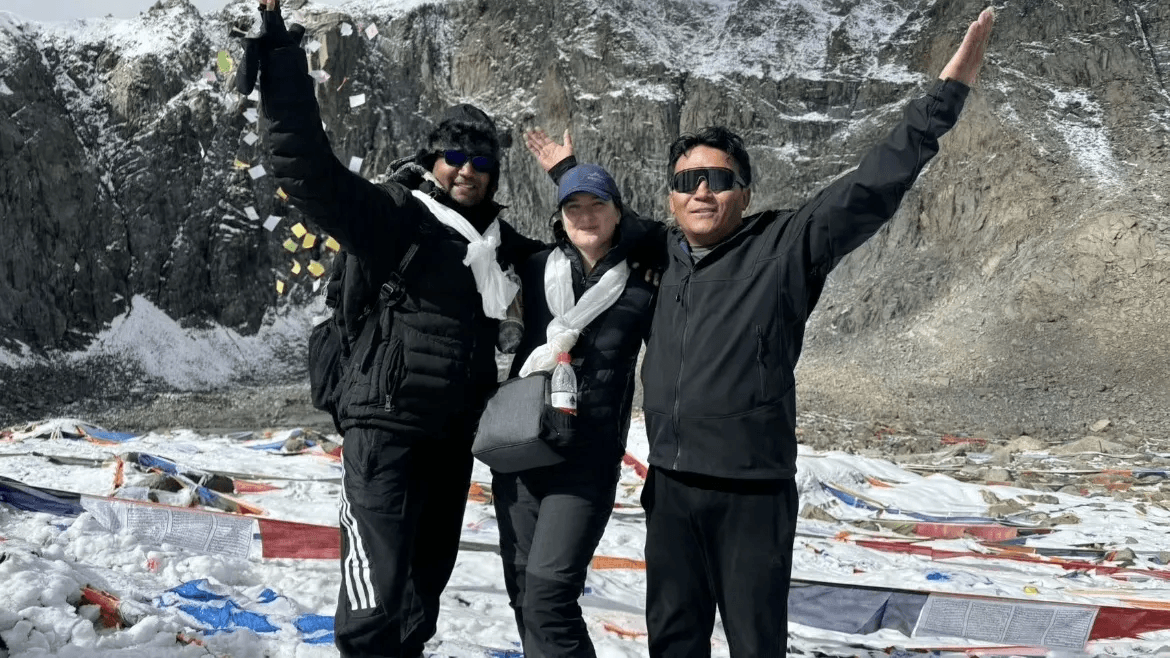
- Prayer Flag Square: First stop for capturing stunning views of Gang Renpoche.
- Tamding Mingwang Station (4,780m): Lunch break and another great spot for photography.
- Drirapuk Monastery: Facing the rear of Gang Renpoche, this is the prime location for Milky Way and sunset shots of Golden Mt. Kailash. Many trekkers stay here overnight.
Overnight at a local hostel (Dorm Beds).
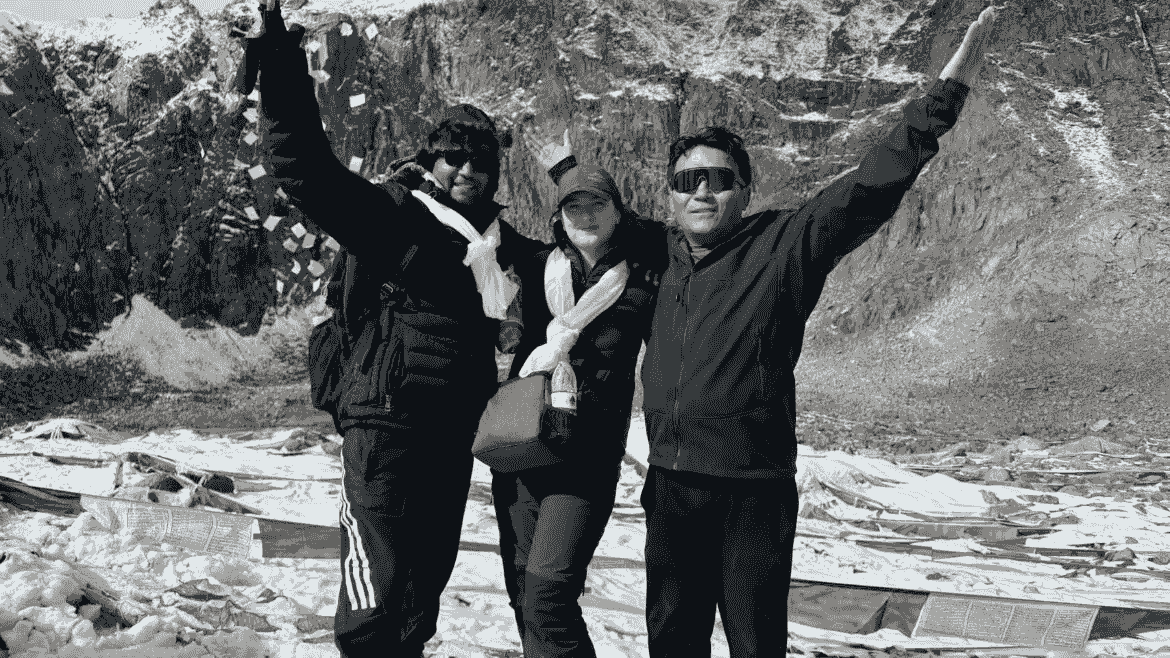
Day 9: Trekking from Dirapuk - Zutulpuk (4803m) 22.7 Km
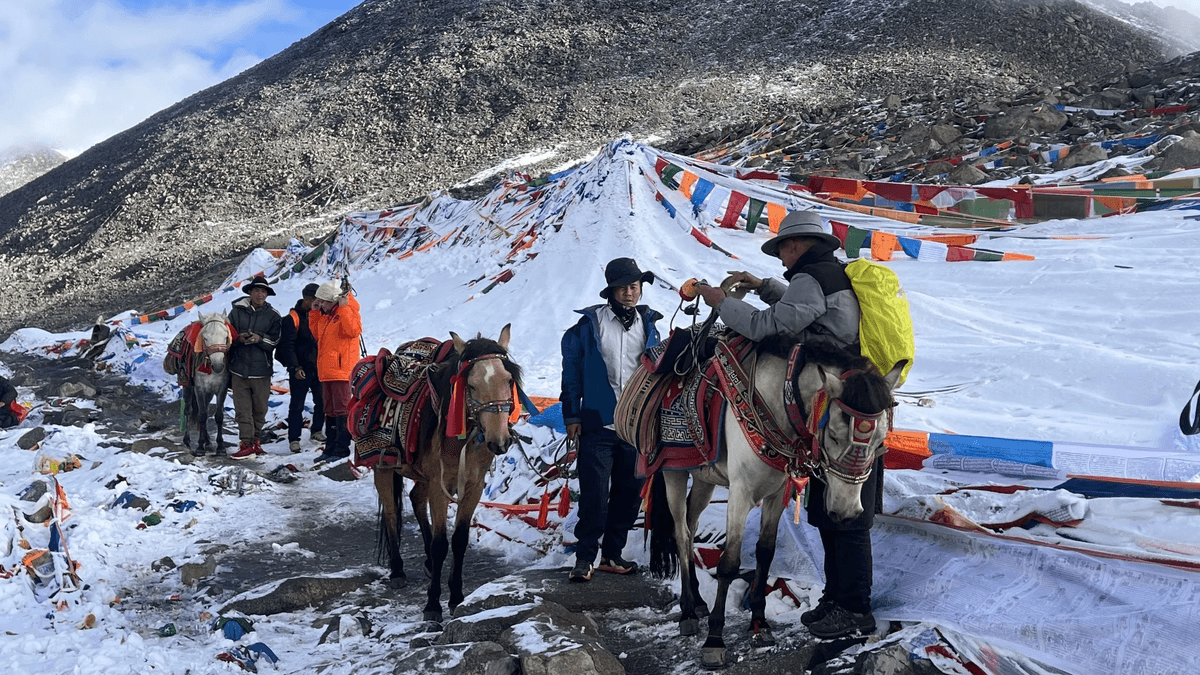
Attraction; Dick La Pass(5000) - Dudue La Pass - Dolma La Pass the highest part of the trekking.
We will set up 5-5:30 am alarm and leave around 6am before temperature increase. Today will be a challenge day of our trekking. Climb up over 5000m of Dick La pass and 5630 m of Dolma La pass and will short stop for the rest at the summit then keep climb down to the Lunch place(Shapje Drakdo ). There are another 4 hours walking to the Zutul Puk monastery for one night.
Overnight at local guesthouse (Dorm bed)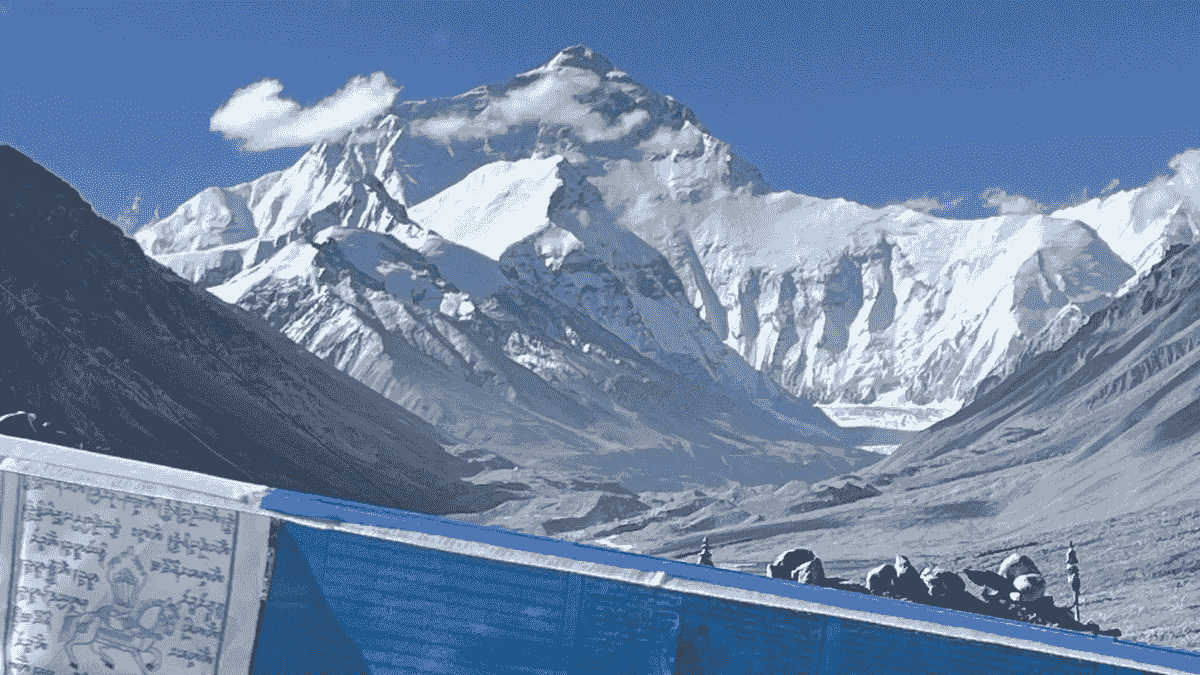
Day 10: Trekking from Zutulpuk - Darchen 10.7 Km
Today is an easy day of trekking to complete one circuit. Then you will continue on the drive to Lake Manasarovar to the guesthouses near the lake. You may have a short visit to the Chiu Monastery by walking up the small hill. Stay overnight at Darchen. Overnight at Darchen local hotelBreakfast
Day 11: Darchen - Saga (4513m) 495Km 6-7 hours to drive
Attraction: Manasarovar Lake
Today we will drive back to Saga for a night.
Breakfast included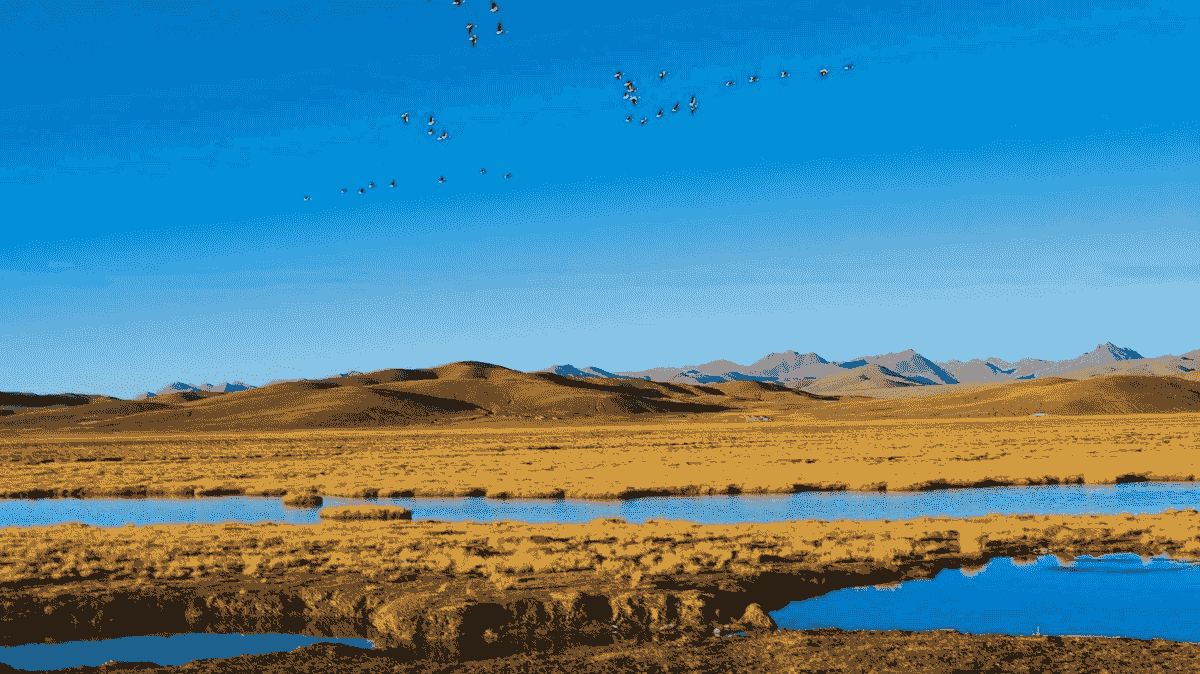
Day 12: Saga - Shigatse (3900m) 510 Km 6-7 hours to drive
Drive back to Shigatse for a night.
Breakfast included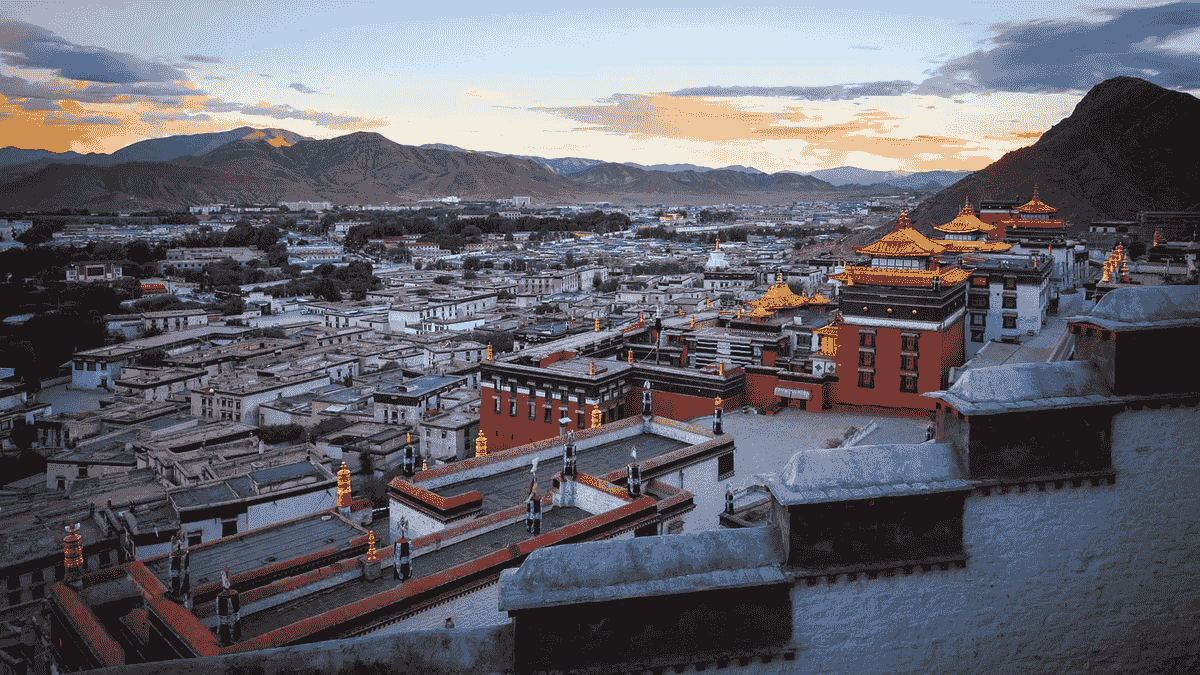
Day 13: Shigatse - Lhasa (3658m) 260Km 4 hours to drive
Attractions: Tashilhunpo Monastery, Shigatse, Nimo Incense Factory
Today, we'll visit Tashilhunpo Monastery, the residence of the Panchen Lamas, in Shigatse. Then, we'll drive along the Brahmaputra River via Friendship Highway (Route 318) to Lhasa, stopping at Nimo's traditional incense factory, where handmade incense is crafted using water-powered tools. The factory may be closed during the farming season.
Tashilhunpo Monastery
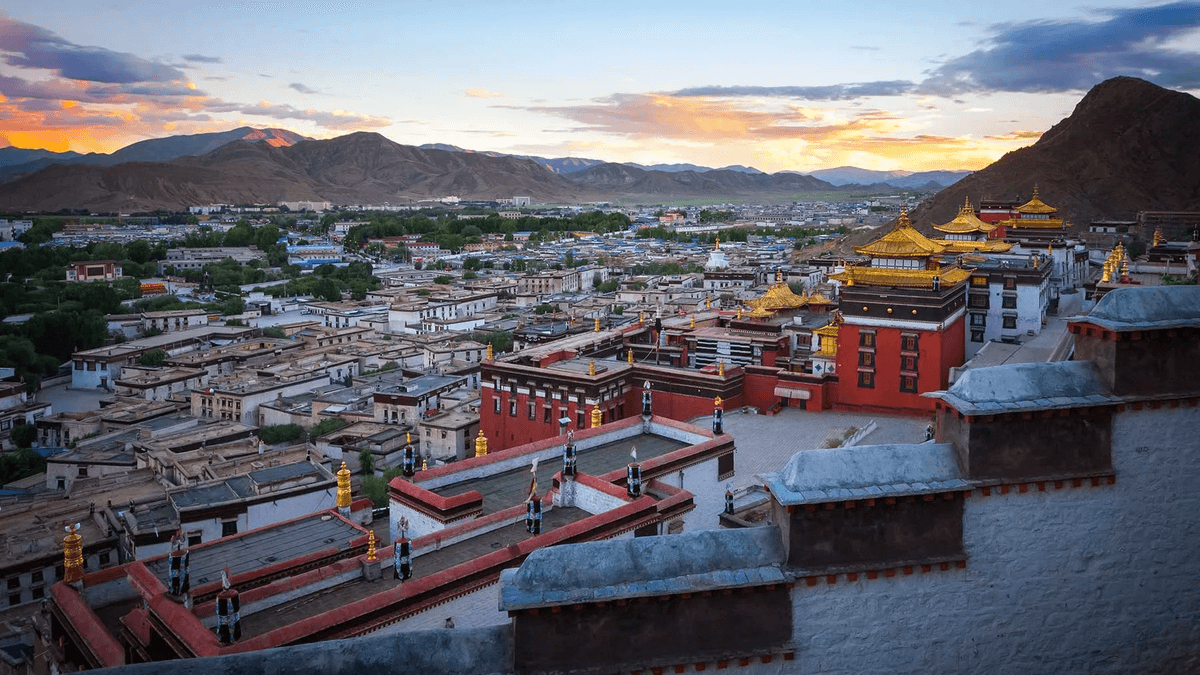
Founded in 1447, Tashilhunpo Monastery is one of Tibet’s four great Gelug monasteries. Spanning 150,000 square meters, it showcases Tibetan Buddhist art, traditional architecture, and the grand Panchen Lama Pagoda. It is a national 5A tourist attraction and a protected cultural site.Overnight in Lhasa
Breakfast includedDay 14: Lhasa train station or airport send off
Today is the your last day in Tibet and your tour guide and driver will come on your time to send off Lhasa train station or airport. This will end your tour services in Tibet. Thanks for your trust and support to us. Tashi Delek
BreakfastHighlights of Your Sacred Journey
What you'll see